IT has a hidden footprint
Together we aim to reduce it
Make waves with us
Rabobank is committed to finding smart solutions to reduce IT's environmental footprint. As IT professionals, every day we take steps to make IT more sustainable, and we need your IT skills to make even more progress. So, if you have a sustainable mindset, why not come and join us? Become part of a community where technical know-how meets a passionate commitment to sustainability, among other things. With the right tools, you can shape your career and, at the same time, make a positive impact on the world around you.
Watch how we introduce sustainable IT

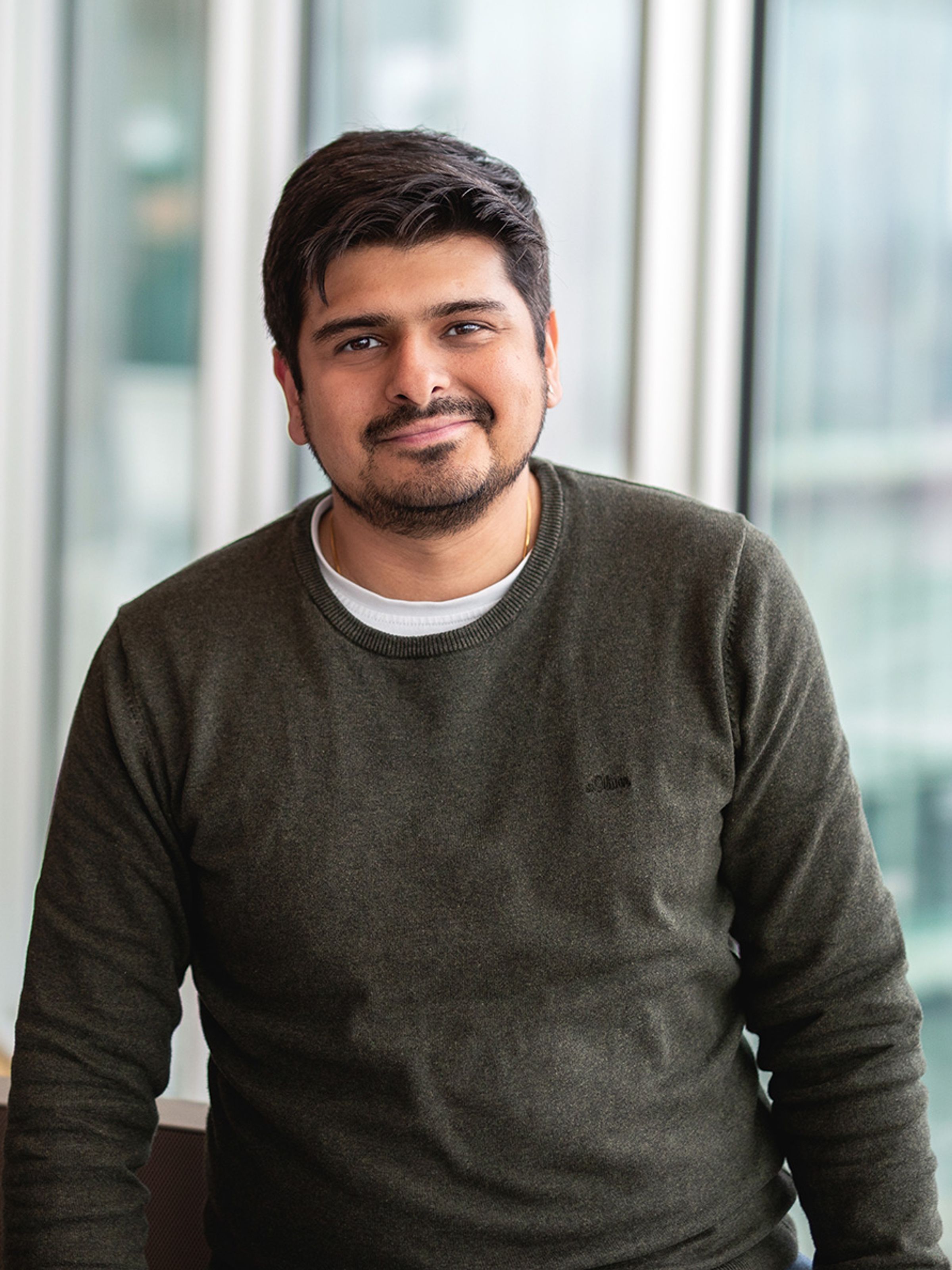
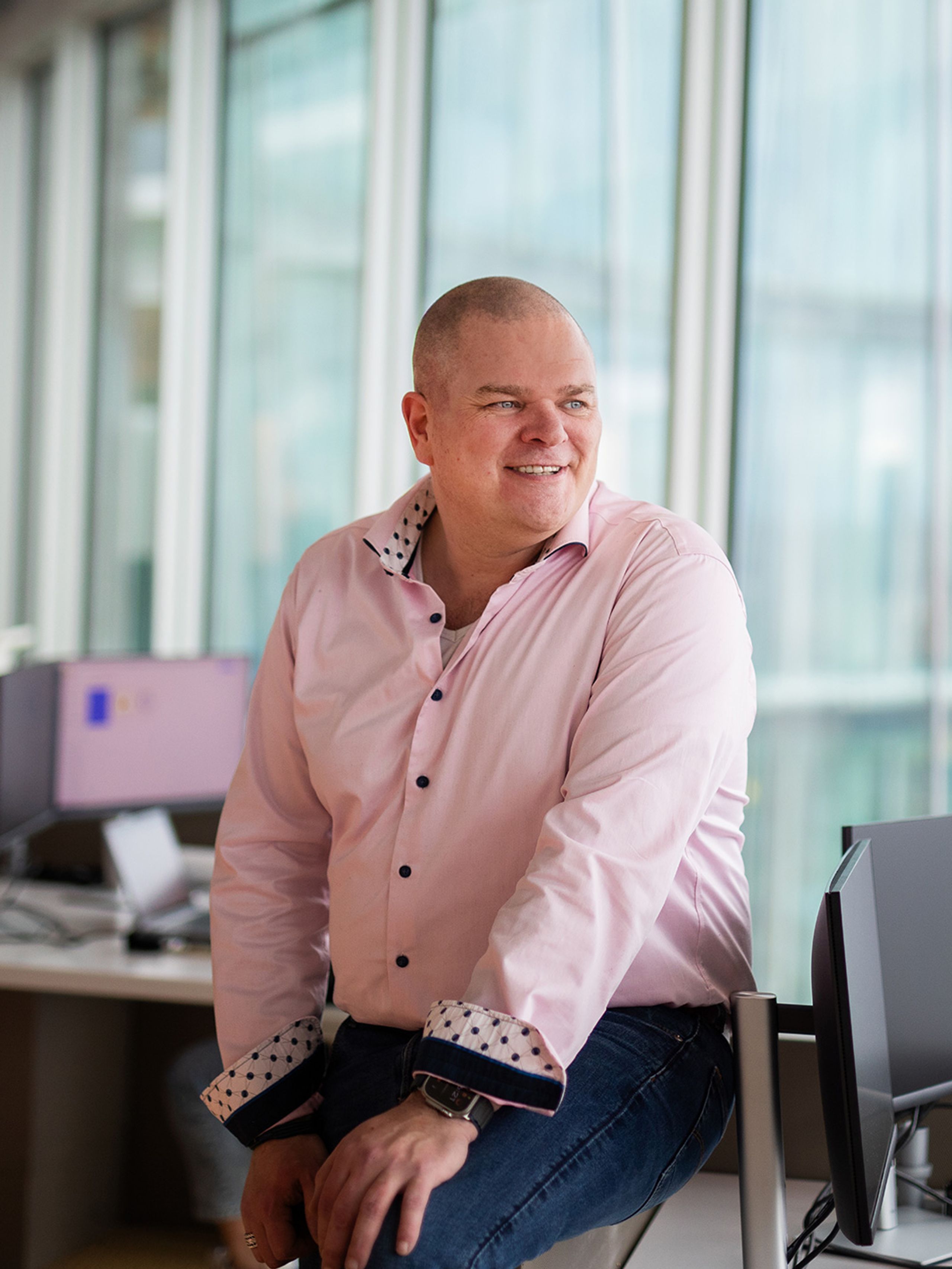


Energy is greenest on Sundays, if you have jobs scheduled, push them towards Sunday."

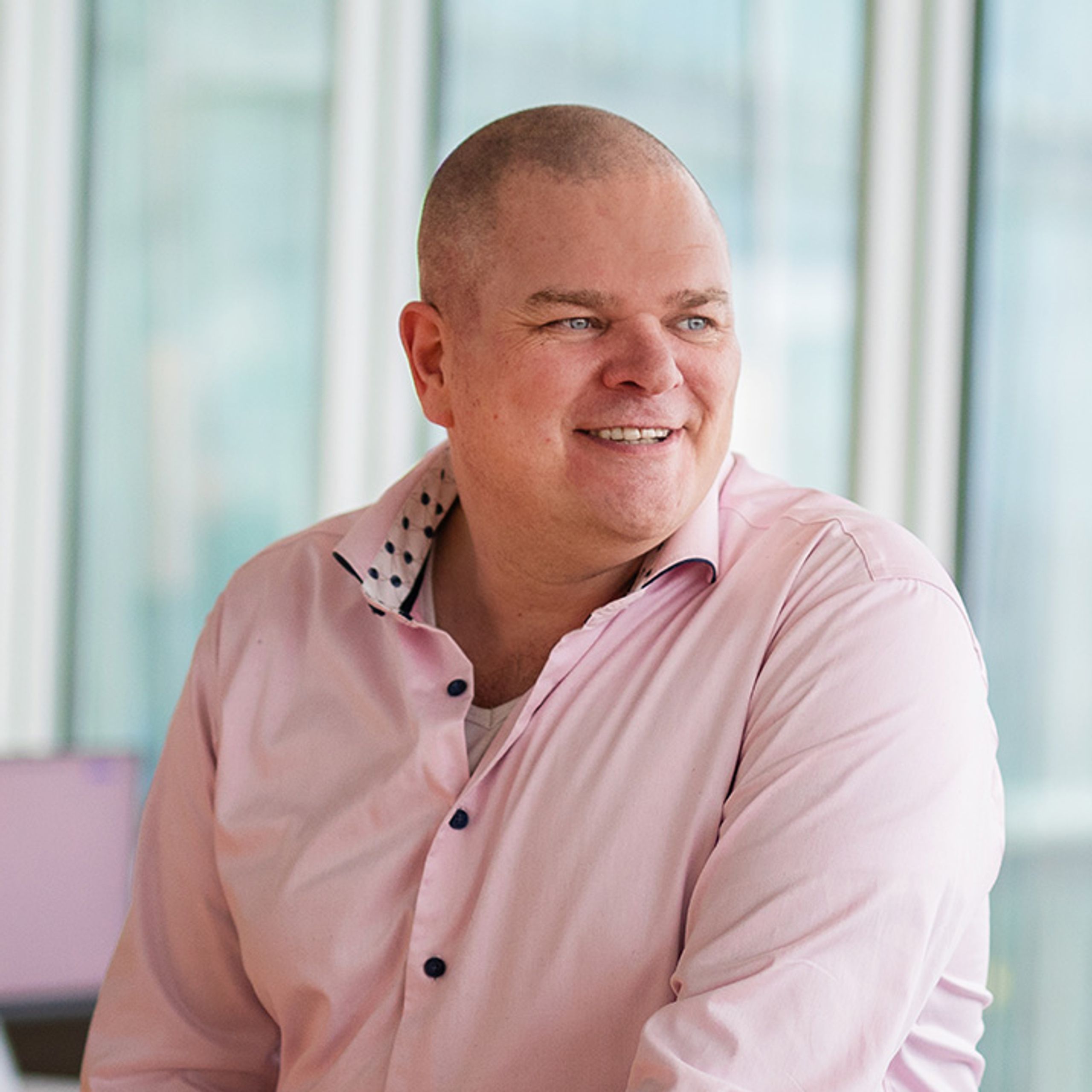




We host this platform with full compliance to the ISO 14001 standards, where we strive for minimal ecological impact."
3 reasons to work at Rabobank as an IT professional
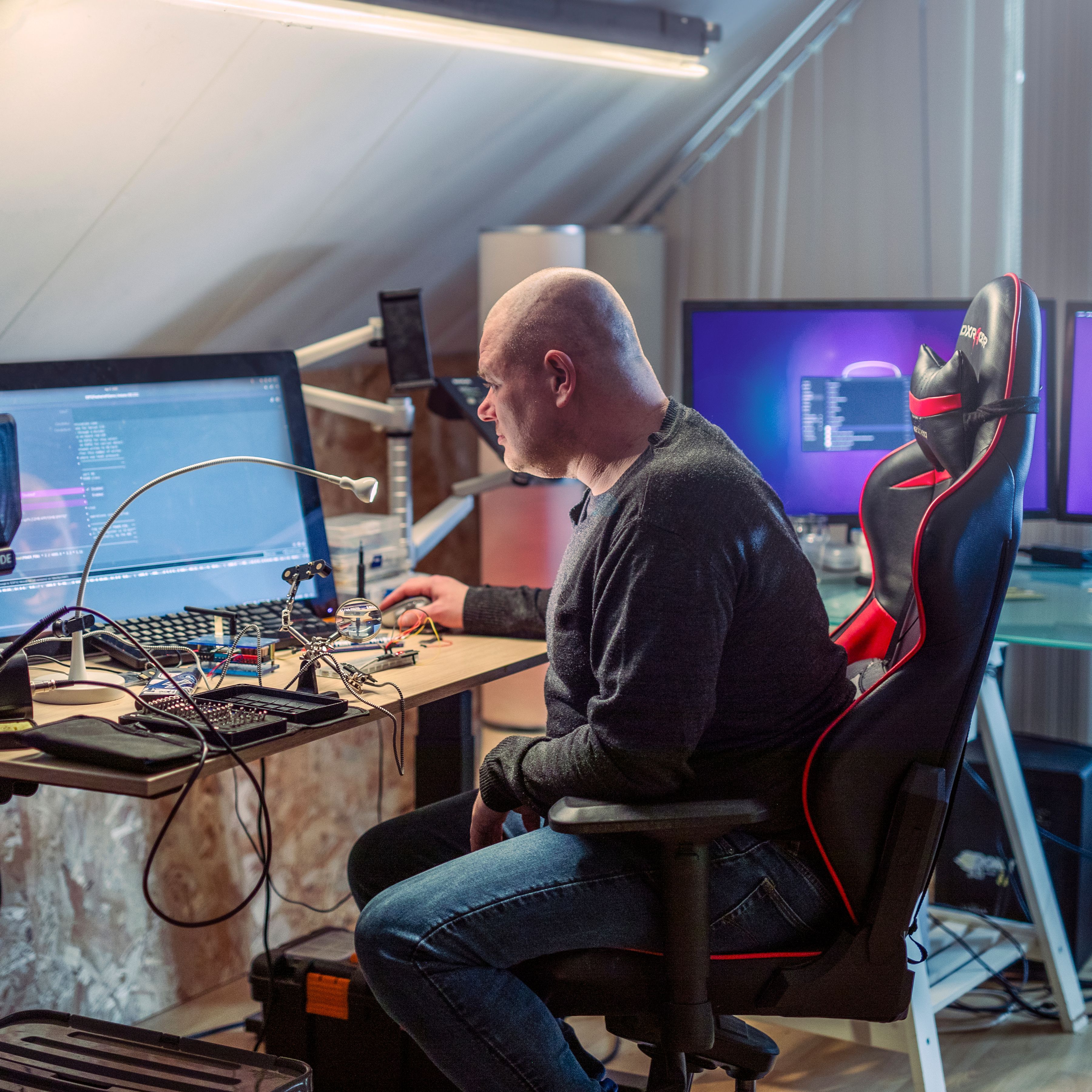
Autonomy in work
You have plenty of freedom In your IT projects to decide what you want to focus on and what is best aligned with your expertise.
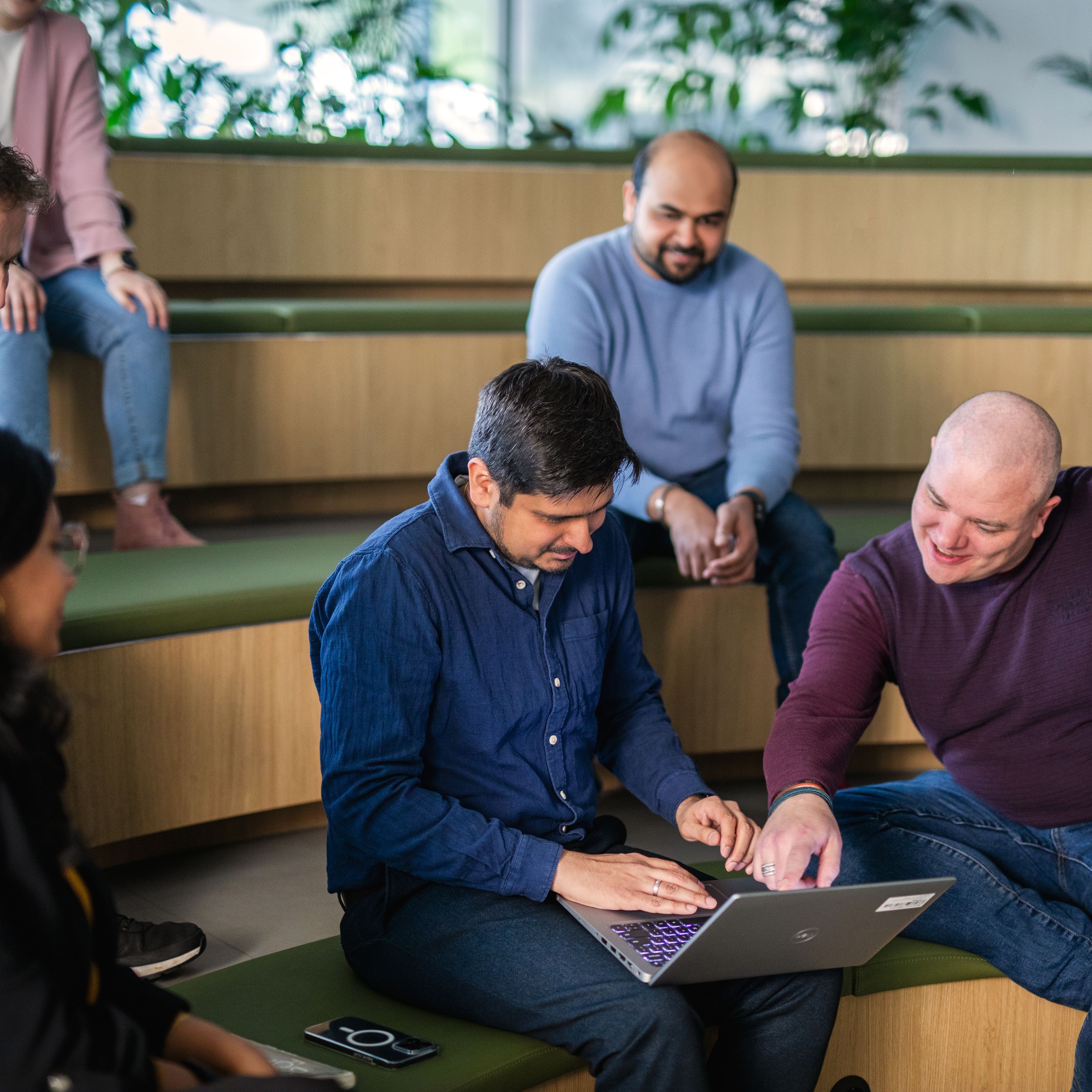
A culture of learning
Advance your career with an annual development budget to spend on training for both hard and soft skills.
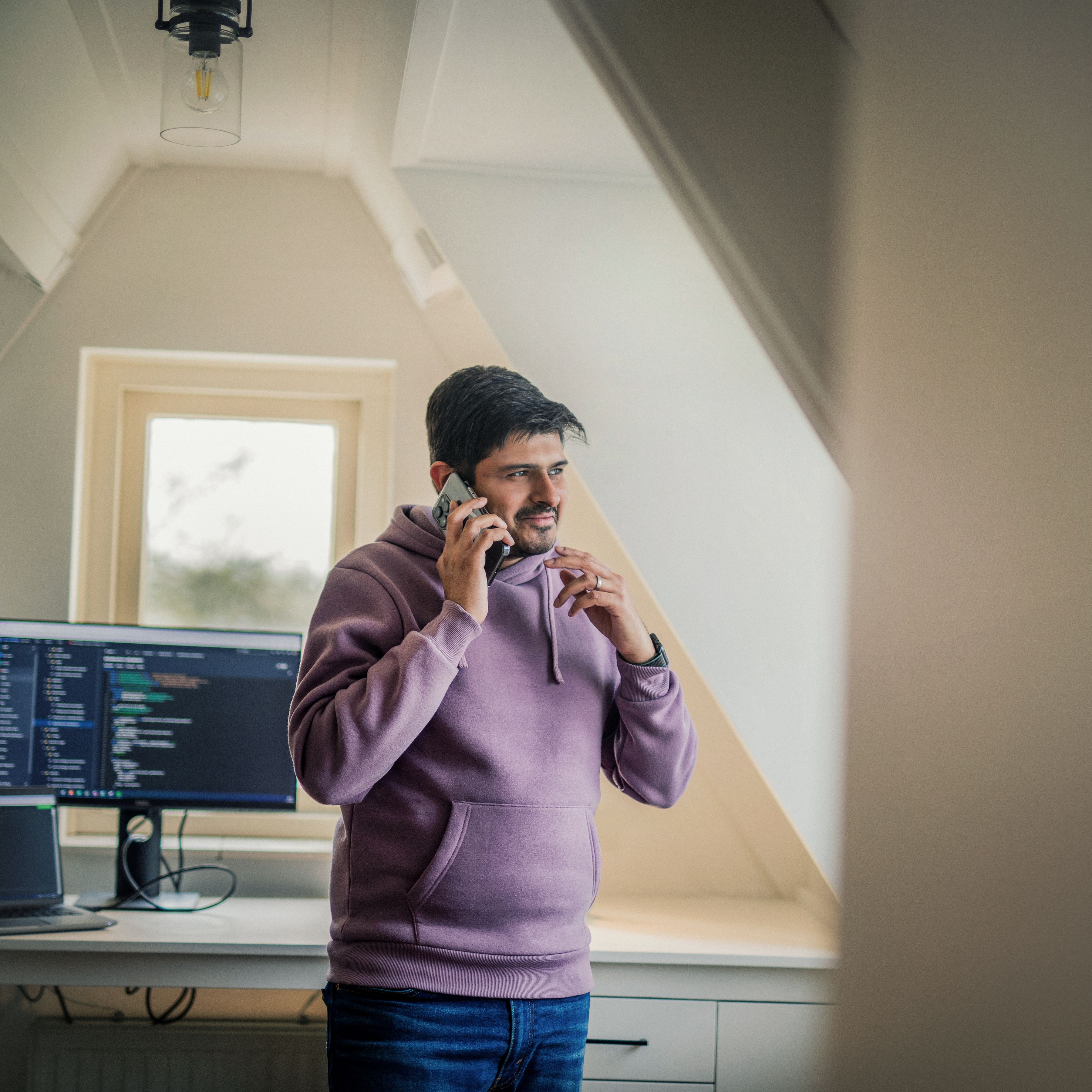
Your office anywhere
Work wherever you want, according to our hybrid way of working, in an Agile environment.
Grow in your IT career
Frequently asked questions
We know you have questions about building a career in IT at Rabobank and supporting a sustainable future. Here are some answers. Don't hesitate to contact us for more information!
Sustainable IT focuses on reducing negative impacts on the environment and society across all aspects of IT operations. These include designing, manufacturing, operating, and disposing of technology products and services.
Wavemakers aims to provide IT teams within Rabobank with tools and training, to raise awareness of IT’s impact on the environment, and to effectively reduce it. To achieve this goal, Wavemakers at Rabobank provides colleagues with input to learn more about the impact that IT has on the environment. For example, scrum masters, business analysts, solution architects, engineers and product owners receive material about which conscious choices they can make. This includes a baseline measurement of their carbon footprint based on code and resource usage. Read Maikel's blog to learn more.
At Rabobank, you can spend 10% of your working time on projects and training courses to develop yourself. Wavemakers is just one of the many Sustainable IT initiatives within the bank. Within this initiative you can work as a Sustainability Awareness Trainer or Coach; you can train as a tooling expert to support colleagues in the use of sustainability tools; and you can contribute to building tools that make your work more sustainable. Read more about Wavemakers in this article.
Greenhouse gases/ emissions are the gases responsible for global warming. This warming occurs because greenhouse gases prevent heat from leaving the Earth's atmosphere, resulting in an increase in temperature. Well-known examples of greenhouse gases are carbon dioxide (CO2) and methane.
Demand Shifting means moving the time slots or locations used to execute tasks and choosing other times and locations when cleaner energy is available and/or fewer companies are working. In this way, you shift your 'demand' requirement to a less carbon-dioxide-intensive time slot or location and reduce the environmental impact of the work executed. Read Renske's blog to learn more.
The Carbon Insights Tool: we developed this tool in-house to give IT teams granular insights on the carbon footprint of their application or feature. Learn more about this on our Techblog.
The Sustainable IT Assessment: we’re currently developing this tool to evaluate our IT teams’ daily practices against industry best practices for eco-friendly IT operations. The tool provides teams with actionable items to reduce their carbon footprint.
EcoSonar: An opensource, eco-design audit tool that gives recommendations on how to improve the performance, sustainability and accessibility of a team's applications.
Green Software Foundation, Demand Shifting
https://learn.greensoftware.foundation/carbon-awareness/#demand-shifting
Electricity Maps
https://app.electricitymaps.com/zone/NL
Bordage, F. (2019, October). The environmental footprint of the digital world. GreenIT.fr.
https://www.greenit.fr/wp-content/uploads/2019/11/GREENIT_EENM_summary_EN.pdf
The Shift Project (March 2019). Lean ICT: Towards Digital Sobriety
https://theshiftproject.org/wp-content/uploads/2019/03/Lean-ICT-Report_The-Shift-Project_2019.pdf
Qqf. Pollution numérique : du clic au déclic (Infographic)
https://archives.qqf.fr/infographie/69/pollution-numerique-du-clic-au-declic
Wired (July 2013). Browser Tabs and Battery Life
https://www.wired.com/2013/07/browser-tabs-and-battery-life/