Transforming DevOps for Sustainability
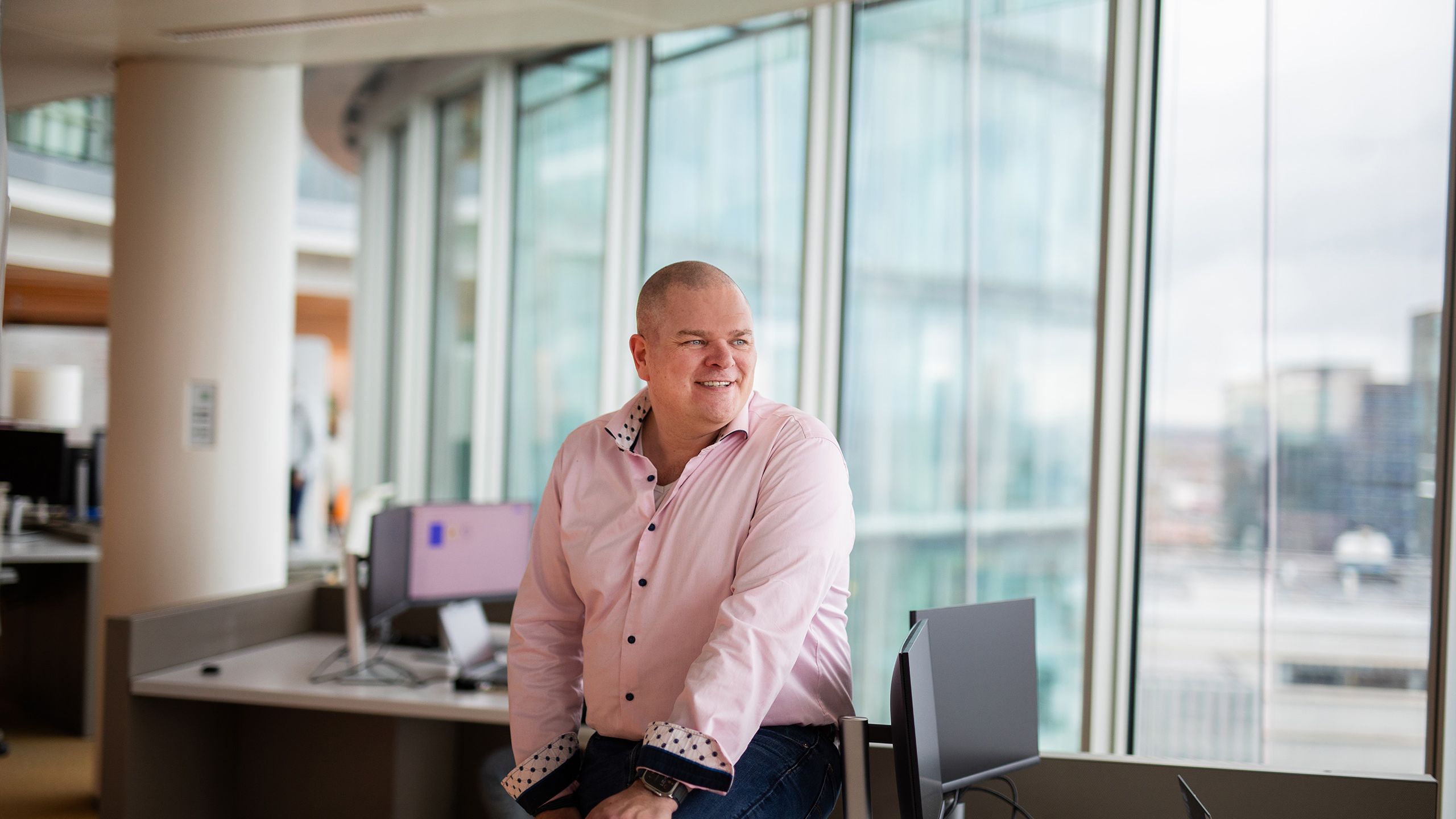
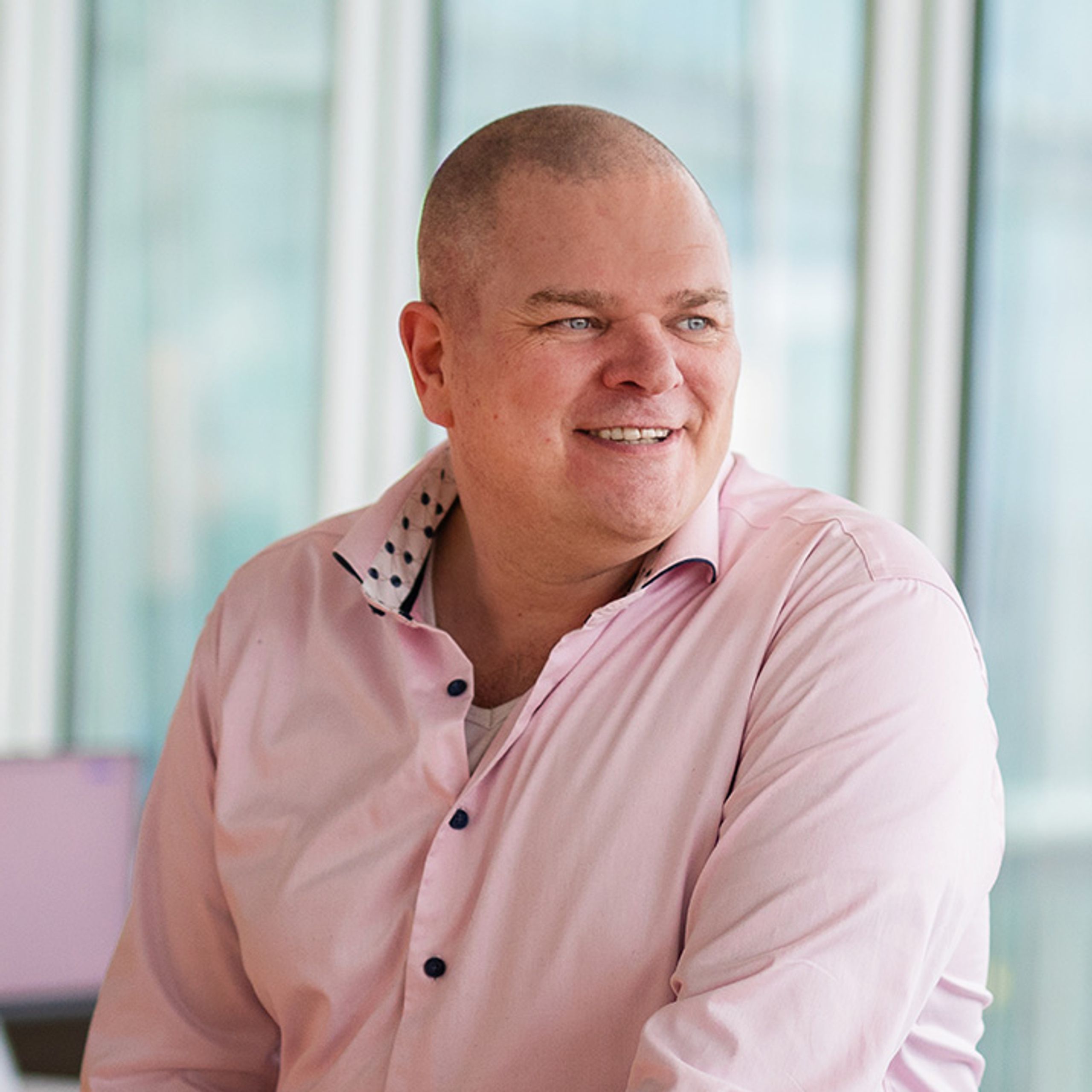
- Maikel DolléLead Engineer IT4IT
- Reading time
The ongoing digital revolution has a hidden carbon footprint. After recognizing how IT operations impact global emissions, Lead Engineer IT4IT Maikel stepped into action. First through the Wavemakers initiative at Rabobank and now in his current role, he's integrating sustainability into every layer of DevOps – from infrastructure to deployment pipelines.
When asked about his commitment to sustainable IT, Maikel points to his natural aversion to inefficiency. "It's part of who I am – when I see things, I want to make them more efficient. I like to automate things rather than doing them manually over and over."
Keeping it green
Maikel’s commitment to sustainability extends beyond his professional work. He primarily commutes by train and bicycle, chooses to maximize the use of current devices rather than pursuing the latest models, and considers the environmental impact of his daily choices. "I try to practice what I preach," he reflects. "Even though it would sometimes be more convenient to take faster transportation, I stick to more sustainable options whenever possible."
In his work at Rabobank, his practical perspective on sustainability shines through when he describes green coding – a practice focused on minimizing energy consumption through efficient software design. "Green coding is about making your code as compact and modular as possible," Maikel explains. "Can we merge code or queries to minimize the total count?"
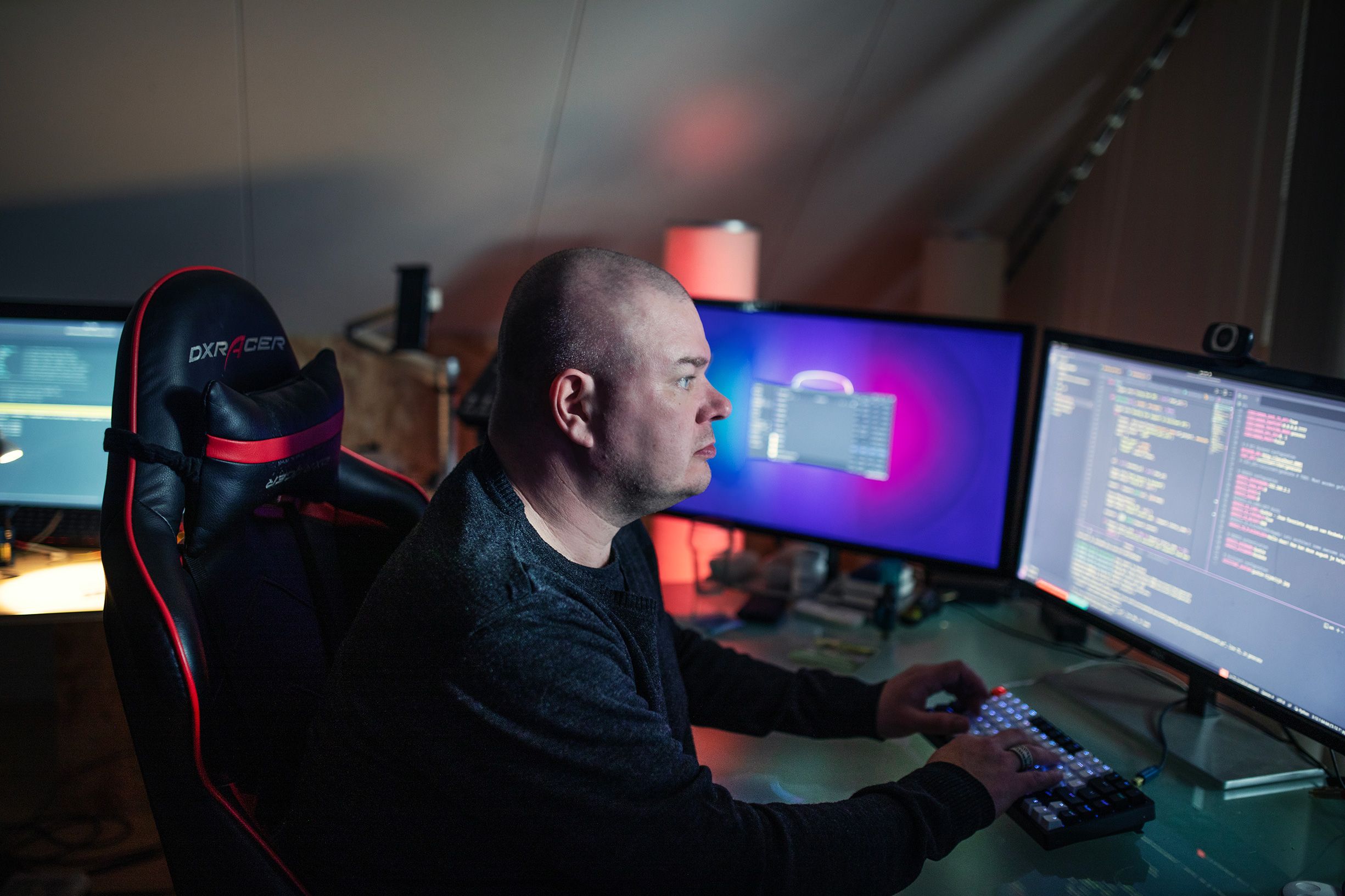
The same principle applies throughout DevOps practices. "Seemingly minor choices can have significant implications when scaled. For example, deciding whether to serve a file from memory or first saving it to disk may seem insignificant. But if you're doing this millions of times per day, those hard disk operations consume significantly more power."
Insight in Sustainable IT
During his time with Wavemakers, Maikel helped develop tools to measure and improve IT sustainability across the entire operations chain. "Wavemakers’ ongoing development focuses on creating automated environmental impact tools for our IT infrastructure. These tools focus on monitoring resource consumption and assessing carbon footprint. "
This end-to-end approach aims to provide valuable operational insights: "The data lets us see how our infrastructure performs. Not just in terms of uptime and responsiveness, but also in environmental impact – how much CO2 our configuration consumes, how efficiently our resources are allocated, and where we can optimize our operations."
Business benefits of sustainable IT
In his current function, Maikel forms the link between departments with different needs. "We utilize the IT4ITframework to support development teams, enabling them to develop more easily in a standardized manner. They should be able to do their work and deliver business value. That's our responsibility."
His team acts as an intermediary between the department responsible for global tooling at the macro level and the teams with specific requirements at the micro level. "We're the pivot in implementing solutions from the department that serves the greater good, ensuring that teams can use them without too much pain."
Infrastructure and operations teams have tremendous power to influence sustainability."
Maikel emphasizes that sustainability and financial goals often align through operational efficiency. "Cloud resources are expensive, especially when used incorrectly. Many teams simply move a server to the cloud without optimization. However, a well-configured cloud-native approach offers better efficiency. With proper setup, managed services and serverless technologies provide financial, security, and environmental benefits."
This is where Maikel's team provides crucial support: "We help teams navigate these infrastructure complexities and implement DevOps solutions in the most efficient way possible." The key insight? "Infrastructure and operations teams have tremendous power to influence sustainability. But they need the right insights, knowledge, and tools to make effective decisions."
Learn how minor choices can have significant implications.
Take a look at our many interesting IT jobsLooking forward: AI and infrastructure optimization
Like many industries worldwide, banking is being transformed by Generative AI. Rabobank enhances its services with AI-driven solutions. The bank ensures responsible AI implementation across its operations, consistently prioritizing privacy, security, and sustainability.
When asked about the future, Maikel sees both challenges and opportunities for sustainable operations: "We are developing our own AI models and tools for specific use cases, one of them DevOps." He acknowledges the trade-offs: "AI systems themselves use resources, but we need to consider what they compensate for by eliminating other activities and optimizing operations. I believe the net effect can ultimately be more sustainable – it's about thoughtful implementation."
This balanced perspective characterizes Maikel's approach to sustainable IT operations: practical, thoughtful, and focused on net positive impact rather than perfect solutions. An approach that contributed to bringing sustainable IT back on the strategic agenda of Rabobank.
"Although I've moved on from Wavemakers to a new role, I'm continuing to apply what I learned about sustainable operations and spread these practices throughout the organization. Wavemakers has matured and gained recognition both within Rabobank and beyond – which gives me great satisfaction."