How a FEC Analyst uncovers the real story behind money flows

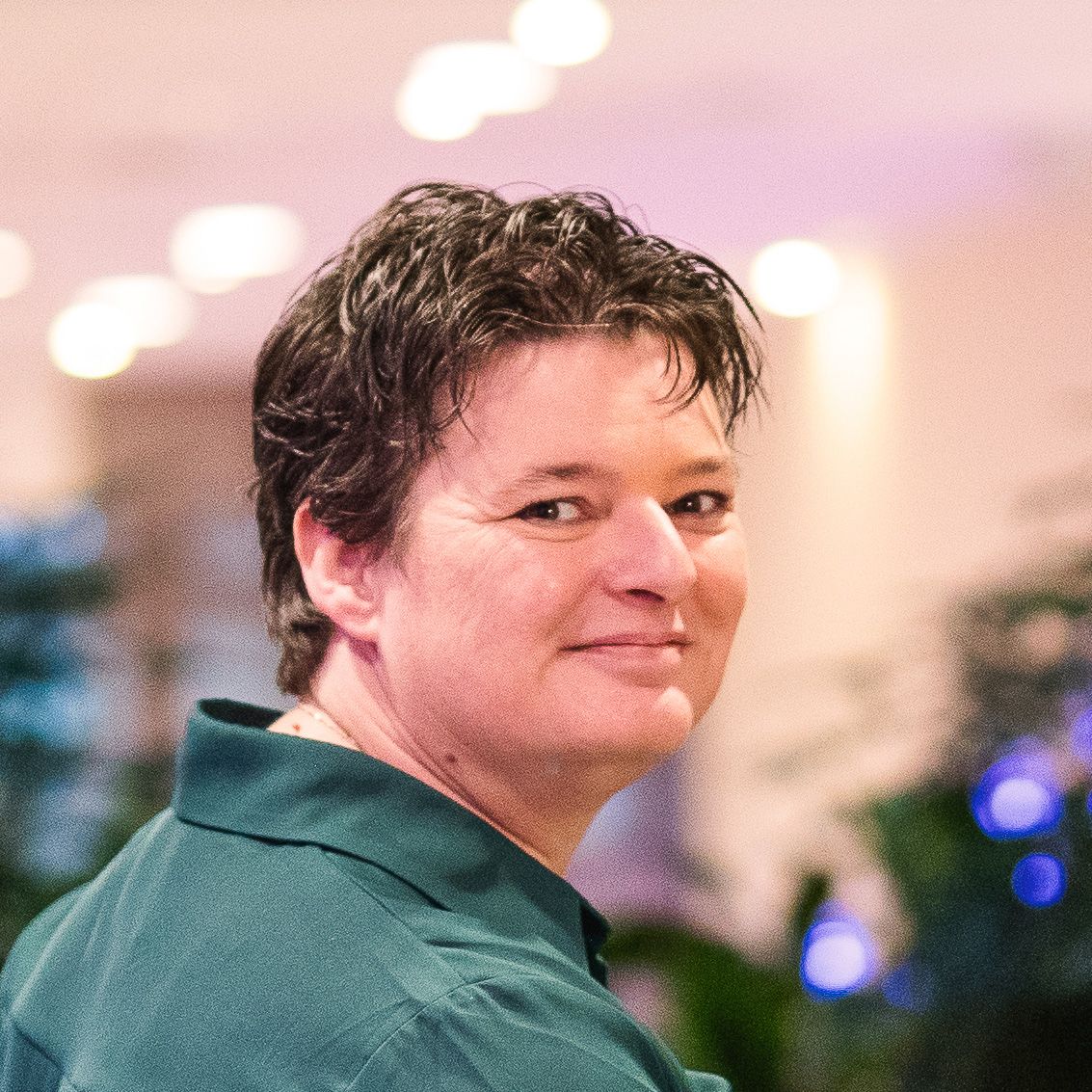
- MarianneFEC Analist
- Reading time
Working together to find how money flows
Turning away entrepreneurs who accept only cash is one of the easiest ways to prevent money laundering. But banks cannot require this of their customers. After all, cash is legal tender. How do the analysts at Financial Economic Crime (FEC) verify that cash flows are legitimate?
"When the bank's detection system finds an anomaly in a transaction, I follow the flow of funds and investigate what's going on," says FEC analyst Marianne. "We need to know who our customers are to keep the financial system safe."
Vacation or is something up?
"The WvFt (Dutch Prevention of Money Laundering and Financing of Terrorism Act) is one big gray area: transactions are never right or wrong immediately. Suppose I'm looking at a company that conducts transactions abroad. For example, when a company imports carpets, it makes perfect sense for money to flow to that country. But if that same cash flow is coming from a baker, more research is needed. We must be able to establish a link between a money flow and the company. In a case like that, we would contact the customer, or request documents."
"You get to know what the norm is in a particular industry. I've been doing this work for over seven years now, so for me the gray area is a bit clearer. I completed an extensive training program for that. We are really on top of it: 99% of our customers are not doing anything wrong. It’s that 1% we have to find, but never at the expense of the other 99%. In the case of the baker, he might have just been on vacation for a week, and nothing was really wrong."
Curious about the possibilities?
Check out our job openingsFinding out who the customer is
Part of FEC’s work stems from the Risk Detection Key. This sophisticated software detects different types of risks among customers. "I look at what triggers the system and decide I think about that as a human being. I first look at what we know about this client in our system. Because what I already know, I don't have to ask about later. Sometimes I already know so much about a client that I can close a case without further contact, by checking public sources for example. If I don’t know much, I contact the client. I enter into these conversations very openly. I ask them to tell me something about their business. In most cases, I get an enthusiastic SME or self-employed person on the line who tells me all about their business."
Rabobank thinks in solutions rather than obstacles"
Marianne's team works on cases of varying complexity, from limited assessments to comprehensive investigations for high-risk clients. "As you become more experienced as an analyst, you deal with more complicated cases. You look at complex risks and corporate structures." For cases with a high degree of sanctions risk, Marianne works with colleagues who have a different area of expertise, such as Sanctions." Sanctions law is very specialized, which is why we write the reports for these cases together."
Grow personally and as a team
"We help each other grow. As you handle a greater variety of cases, your motivation becomes stronger. Why do I see a higher risk, or why don’t I? It's not just ticking boxes, you have to support your decisions well with arguments and the case has to be transparent. If someone else picks it up, they should come to the same conclusions."
“There’s a good atmosphere in my team. We know where to find each other when we have questions. We give each other feedback about what is going well and what is not going well. If a client conversation did not go well, for example, you can listen to the recording with your team leader and discuss ways and tools that will help you have better conversations with clients."

Within FEC, you can advance to team lead, or go on work in one of the other departments and develop different areas of expertise. "You can really go anywhere from FEC. And if you're not sure, you can even take a look around first. One of my colleagues has been seconded from our team to wholesale customer consulting for a while, just to see if that's what she wants."
Commited to inclusion
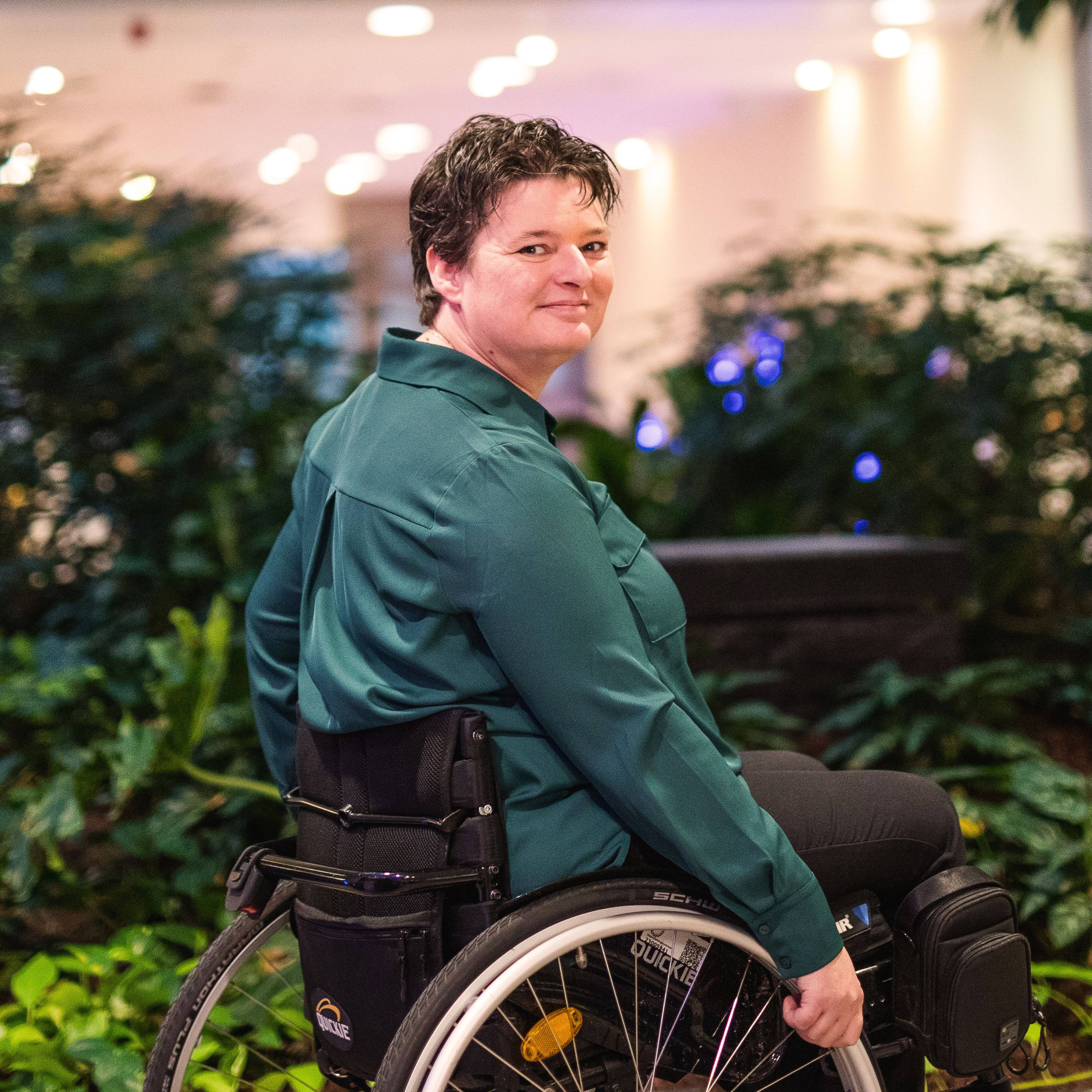
"I am committed to diversity and inclusion both inside and outside Rabobank. I am a wheelchair user, for me accessibility is an important issue. Fortunately, this is generally good in Rabobank's offices. If you do encounter a problem in one of the buildings, the branch's facilities department will solve it. If you need adjustments in software or other supports, there is even a department that can help you figure it out and propose solutions."
"When I moved to a new location, right away my new team leader asked me to do a tour of the building with them to look for areas that needed improvement. I think that’s very special—Rabobank thinks in solutions, not obstacles. That is also my tip for people with a disability who see an interesting vacancy. Just respond, even if you think you can't tick all the boxes."