Sanctions are a hot topic in financial service


- Margriet DriessenSenior Sanctions Analyst
- Robbert van HeldenMedior analyst
- Reading time
When the conflict between Russia and Ukraine broke out, the Sanctions department immediately went on high alert. Robbert van Helden, Medior Analyst: “We were receiving such urgent reports of sanctions breaches that our team was told to drop everything and focus entirely on this issue. That made me realize just how much impact my job has.”
Margriet Driessen is a colleague who works as a Senior Analyst, Sanctions: “Our department deals with cases involving geographical risk. We focus on organizations involved in international trade with countries considered a higher-than-normal sanctions risk. It’s our job to investigate whether our clients’ activities could be in violation of sanctions regulations. Our department wants to know who the client is, what revenue model they have, and how they manage the international trade risks associated with their trading operations.”
Constant changes
“Our field is definitely a hot topic in financial services,” adds Robbert. “Right now there’s so much going on in the world that our working area is constantly changing. The news you see reported on TV one evening could turn into a very busy week for us at work. The highly topical nature of our work means that our responsibilities go beyond estimating risk and evaluating an organization’s trading activities. Some important elements of our work include protecting customers, informing them about potential risks, and raising their awareness.”
“That’s right,” Margriet nods in agreement. “Our department’s goal is to ensure that neither the bank nor our clients breach sanctions regulations. Our clients are focused mostly on their core business, which is not about complying with laws on sanctions. But what they don’t always realize is that compliance with this legislation is essential to survive. In the worst case scenario, violating sanctions regulations could put you out of business.”
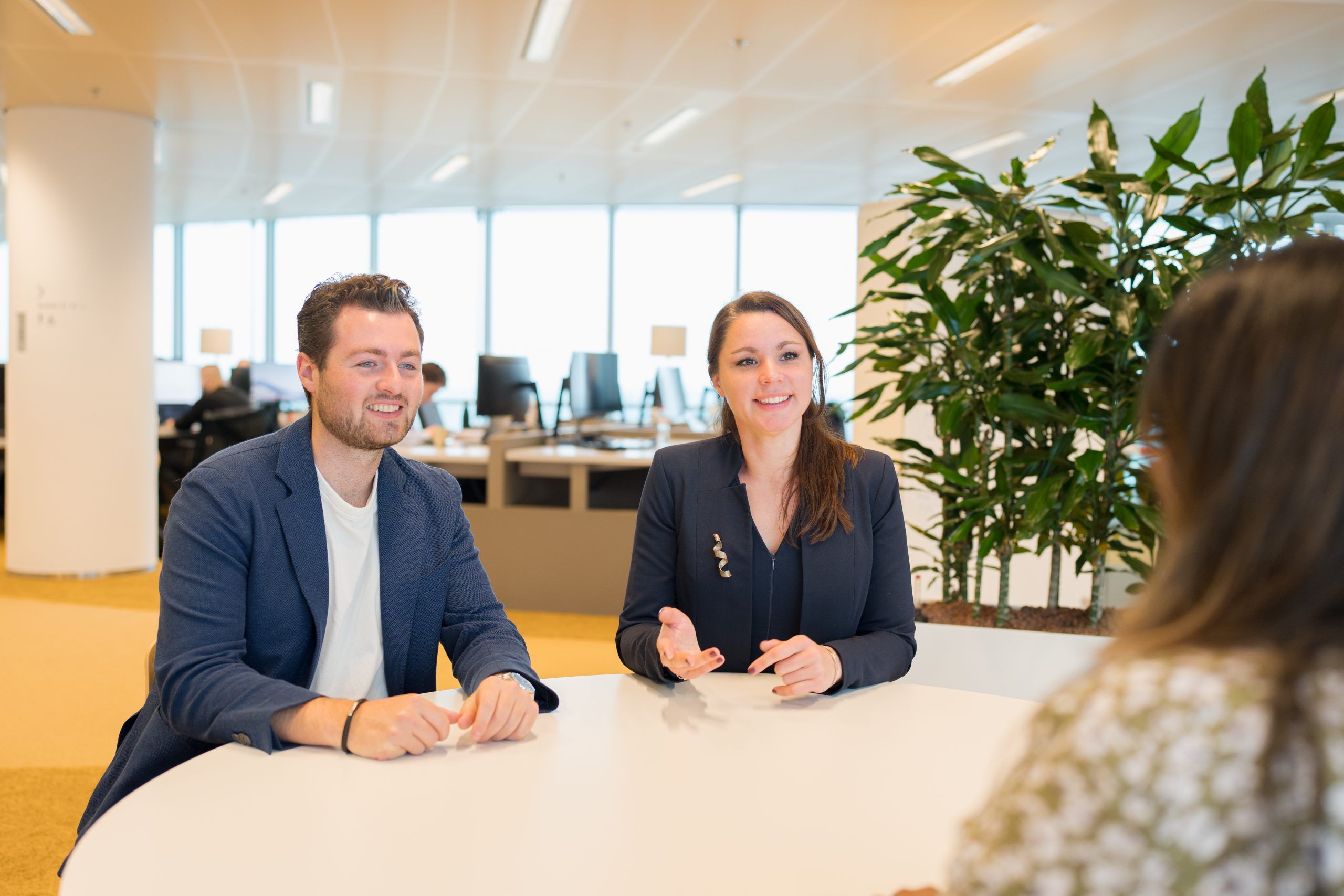
A meaningful profession
Although Margriet had never actually considered working in this field, now there’s no place she’d rather be. “Working at Customer Due Diligence (CDD) was already interesting, but when I joined Sanctions I discovered a whole new world. That’s when I realized just how meaningful this profession is.”
“Our working area is very specific, and a highly expert field,” confirms Robbert. “Even if you work at CDD, you can’t necessarily do what we do. You need a lot of experience. We take a very deep dive into our customers’ trade flows, which extend from the Netherlands to Russia to the Middle East. You have to learn about the different countries.”
Robbert gives an example. “Suppose a Chinese company wants to import steel from the Netherlands. If you don’t know very much about those two countries, you might not hear any alarm bells. But if you know that China is the world’s biggest steel manufacturer, you’ll understand that importing steel from the Netherlands is illogical and could well be an indicator of money laundering, financing terrorism, or acting as a supplier to countries subject to sanctions. The more you know about the countries, their culture, and how they trade, the quicker you’ll spot patterns or deviations.”
Pathway to becoming an analyst
New colleagues don’t just get thrown in at the deep end. Everyone who joins the Sanctions department must follow a five-month training course under intensive supervision. Margriet: “First you learn the basics of CDD. When you’ve mastered that, you go deeper into the specific field of sanctions. It’s only when you’ve completed the training and move into an actual job that you start to put theory into practice. It’s like driving a car: you have to pass your driving test before you actually learn to drive”.
“That’s exactly what I love about our work,” Robbert explains. “It requires highly specialized knowledge and experience, which no school can teach you. Take my case: I have a degree in economics, not law, but that wasn’t a problem. You make progress on the job and learn from colleagues with more experience.”

Continuous development opportunities
Currently there are around 140 analysts working in different teams in the Sanctions department. “People work at junior, medior, senior, and expert levels,” says Robbert. “Cases are allocated at every level and you’re supported by more senior colleagues. We remain in constant contact with each other to exchange knowledge.”
“And there are development opportunities for everyone in the team, even for highly experienced people,” says Margriet. “You can move through the ranks up to senior expert level, but you can also take on other roles. As an adviser, for instance, or a team lead.”
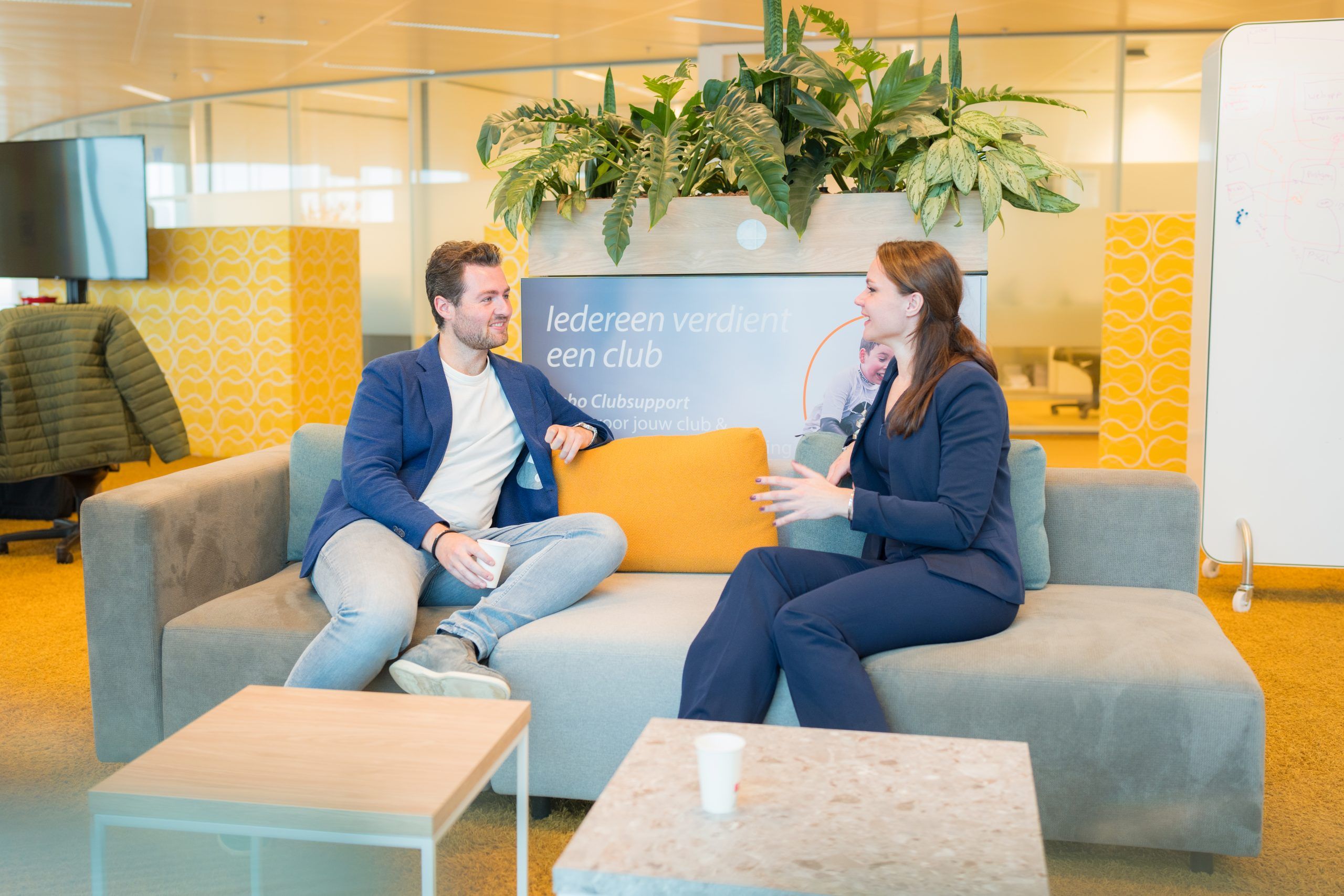
One Team, Many Characters
A Sanctions Analyst must be able to handle change. Communication skills are another must, according to Margriet. “You have conversations with clients which can be difficult, you present your findings to other departments, and you’re frequently in contact with your colleagues.”
There’s no such thing as a typical analyst though, according to Robbert. “Many different character profiles are suited to this work. For instance, I don’t have the standard character profile for an analyst, but the constant change makes the job a good fit for me. There are all kinds of personalities in our team.”
Margriet agrees. “You can be yourself here. We don’t all want to be the ambitious star performer of the department. What’s important is where you see yourself going and the support you receive to get there. One person may want to make rapid career moves within two years, someone else may want to concentrate on one role for a longer period. Everything’s possible here.”