How Star Wars can inspire your next design
Design starts with imagination. But sooner or later, your design must be realised in the real world. So as designers, we deal with constraints all the time. Whether they are technical limitations, legal requirements or simply a lack of time, we have to find ways to cope with them.

- Chris van der VenLead Designer
To do that, we (Chris and Patrick) often turn to our passion for inspiration: Star Wars. We are known among our colleagues to be big fans and love to talk about it. We see a lot of similarities between filmmaking and design. Movies are also ‘experiences’, and the creation of the original Star Wars trilogy was a highly creative and technical process. So here are just a few examples of how director George Lucas solved problems and how we apply those same principles when designing online user experiences.
Keep the flow going
In UX design, timing and flow are key. Just like movie makers, we are always striving for a fluent experience for our end users. When technology is a limiting factor, we want to make sure the user hardly notices it.
Here’s an example from Star Wars we love. In the 70s, computer graphics were not yet an option to create the scene in which X-wings fly around the Death Star. But that didn’t stop Lucas’ crew from creating impressive and fluent shots. One shot is particularly cleverly done. By combining a very realistic 2D painting, a 3D miniature model, smart editing and light effects. The audience is completely fooled into thinking the camera is flying into a trench on the Death Star. What you think is one shot, are multiple shots, with flashes in between.
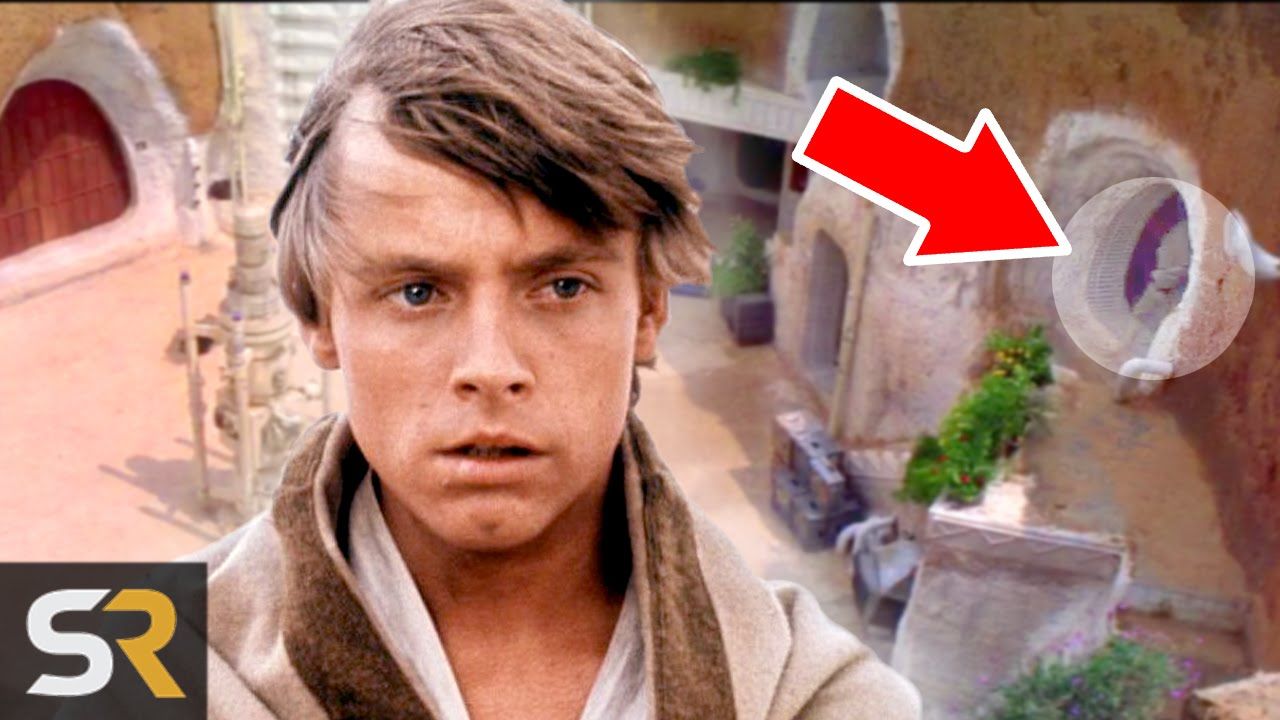
Similarly, we reuse existing (digital) things all the time because we use a design system to create our interfaces. A design system is a library full of patterns and components our designers can reuse. This is a lot faster than drawing buttons by hand every single time. It also ensures consistency and coherence throughout all our digital interfaces. Like Star Wars’ propmakers, we didn’t make those elements ourselves, but we adapt proven patterns and remix them to make new things. This way, our designers don't need to spend unnecessary time on interactions we often use. Instead, we can shift our focus toward the flow of our specific journey or design problem.
Lucas’ potato asteroids are also great reminder that we shouldn’t sweat the small stuff. As designers, we can lose our focus by only looking at details, but it helps to keep our eye on the bigger picture. Some details are just too small to get noticed!
Embrace your constraints, together
We won’t lie, constraints can be a pain in the ass. If only the backend was more advanced. If only the frontend was the newest, fastest framework. If only… But are constraints really our enemy? Sometimes, a constraint can be a blessing in disguise. To illustrate that, here is a final example from the production of Star Wars.
C3PO, the golden robot that appeared in all Star Wars movies, is portrayed by actor Anthony Daniels wearing a suit. But this suit was so uncomfortable and restricted his movement so much, that it was very difficult to move around in it. He couldn’t even walk up or down stairs. These physical constraints turned out to be an advantage for Daniels. The stiff suit helped him with his robotic performance and determined how C-3PO would move and interact with the world. It made C-3PO one of the most beloved characters and defined Daniels’ career.
So here is our final message. Instead of grieving about impediments, we try to bend them into something positive, just like George Lucas – and his crew – did. Because most of the time, you can't do it alone. While Lucas had a clear vision of the final experience, he needed many experts to make it come to life. The same is true for design. We do our best work when we work with other experts and trust on their creativity as well.
The next time you run into a limitation, find the solution together with developers, architects and legal experts. They often know how to stretch the technical limitations, compliance restrictions and jobs to be done. And if not: challenge your team and ask the question: what would George Lucas do? Collectively, your creativity will always be greater than any constraint.
May the force be with you!
This blogpost was co-written with fellow Star Wars fan Patrick Sanwikarja, Chapter Lead Design Expertise