Transaction monitoring



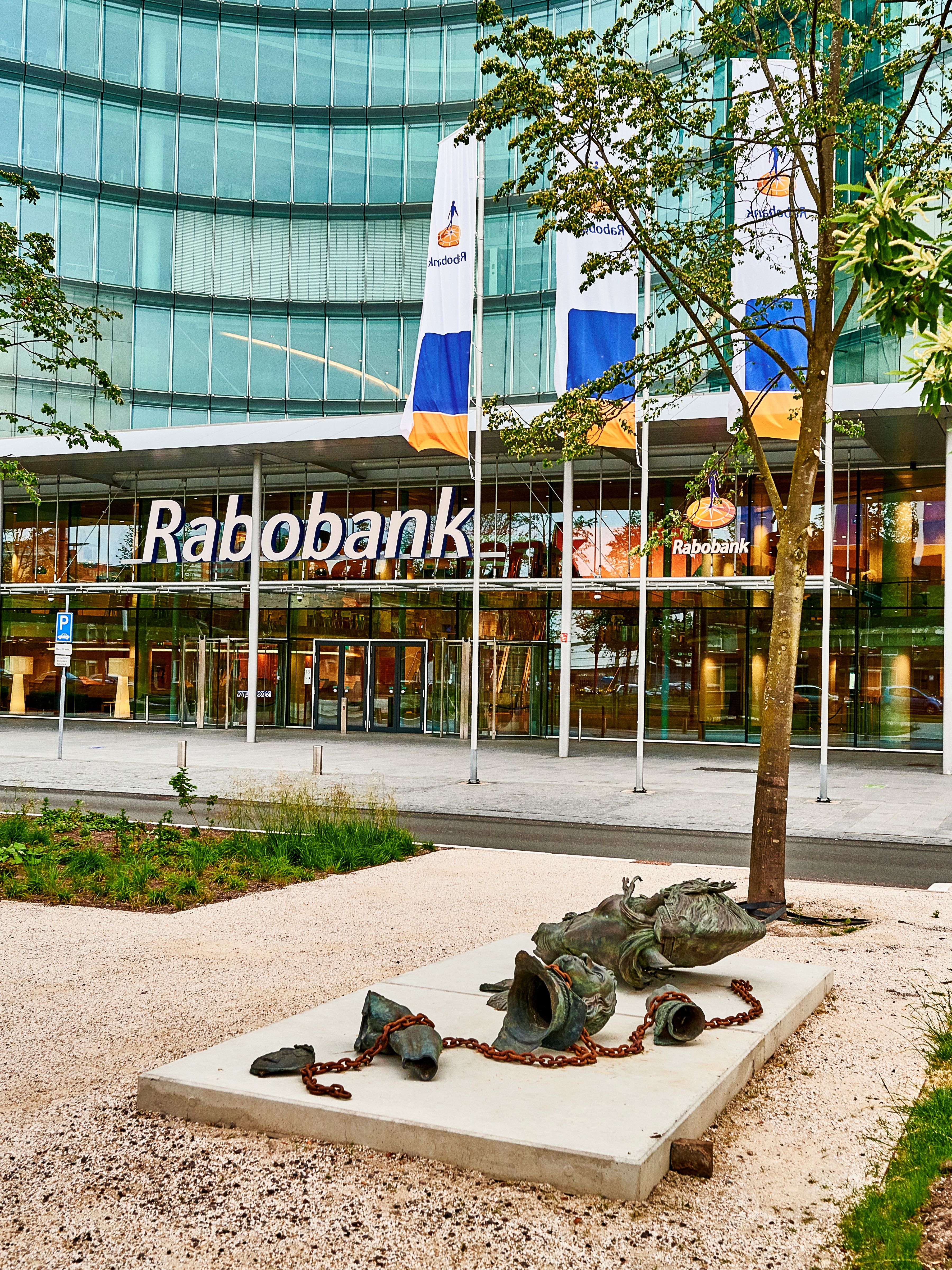




The TM department is part of our Financial Economic Crime (FEC) organization. As an integrity risk expert, we investigate, advise, monitor and share knowledge and expertise on transaction risk. We analyze transactions for potential money laundering and terrorism financing risks.
Keep the financial system healthy with your sharp eye
The Transaction Monitoring specialist is a real sleuth and has a key role in fulfilling our function as the gatekeeper of the financial system. You will analyze transactions, search for patterns and help uncover unusual transactions.
Do you have a strong moral compass and a sharp eye? Do you like to dive into figures, but do you also have the people skills to interpret them correctly? Then a job within Transaction Monitoring at Rabobank is something for you.
Transaction monitoring
View jobFrequently asked questions about working in Transaction Monitoring
As an TM analyst, you will be monitoring cash flows and reporting unusual transactions, so-called MOT reports. Your department is called FEC Transaction Monitoring (TM) and is divided into Automatic Alerts and Manual Signals.
With Automatic Alerts (AML), you pick up alerts generated by the transaction monitoring system based on specific parameters. You then assess whether it (indeed) concerns an unusual transaction.
If you work at Manual Signals, then you do this too, but the alerts in this case are manually generated by colleagues. When a CDD analyst finds something striking in public sources, for instance. But signals can also come from local banks or other departments. In addition, various claims come in on the basis of which, as an AML analyst, you investigate and assess the customer's transaction traffic.
After you, the TM analyst, have assessed a transaction as unusual, an FIU reporting officer from the Global Compliance AML & Sanctions (CAMS) department reports this transaction to the Financial Intelligence Unit (FIU) in the Netherlands. The FIU then assesses whether the transaction is indeed unusual and in turn reports it to the Public Prosecution Service, the police and/or the FIOD. If the FIU decides to follow up a report, this is forwarded to the appropriate department within the bank with a 'suspicious report'.
Agility and changeability are important to you as a TM analyst. You must be able to cope well with the changing working environment of the TM domain and also be able to adapt on the basis of feedback. In addition, the ability to work well together is of great importance. Finally, decisiveness is a quality you need. You make decisions. In an investigation, you have to determine the right scope and decide relatively quickly whether or not to report it.
Transaction monitoring is the detection of unusual signals that may indicate an increased risk of money laundering and/or terrorist financing.
Rabobank is responsible for the transactions conducted on its clients' accounts. This responsibility is laid down in the Wwft (Money Laundering and Terrorist Financing (Prevention) Act) and the Wtf (Financial Supervision Act). If a transaction is part of money laundering, the bank is involved as a facilitator in the money laundering process. The same applies to terrorist financing. To prevent this, banks must report unusual transactions to the Financial Intelligence Unit (FIU) in the Netherlands.
A human touch in detecting money laundering
Bags full of cash at a local bank branch. Criminal gangs in the news. A suspicious transaction abroad. An estimated 16 billion euros of criminal money flows through Dutch society every year. And the Signals team receives dozens of remarkable stories every day. Senior Transaction Monitoring (TM) Analyst Niké and her team investigate these. Niké: "I find exciting cases quite intriguing."

Jobs in Transaction monitoring
View all open vacancies and apply!
- Transaction Monitoring Scenario Expert
- Hybrid
- Utrecht (NL)
- €5,030 - €8,563 (scale 09 - 10)
- 36 hours
- Full time